
AI-powered experiential learning in marketing education
Patrick Curry, Adjunct Professor, Isaacson School
Emerging Media II at the Isaacson School was meant to be a class on applying AI-powered experiential learning in marketing education to marketing tasks—but it became so much more than I ever imagined.
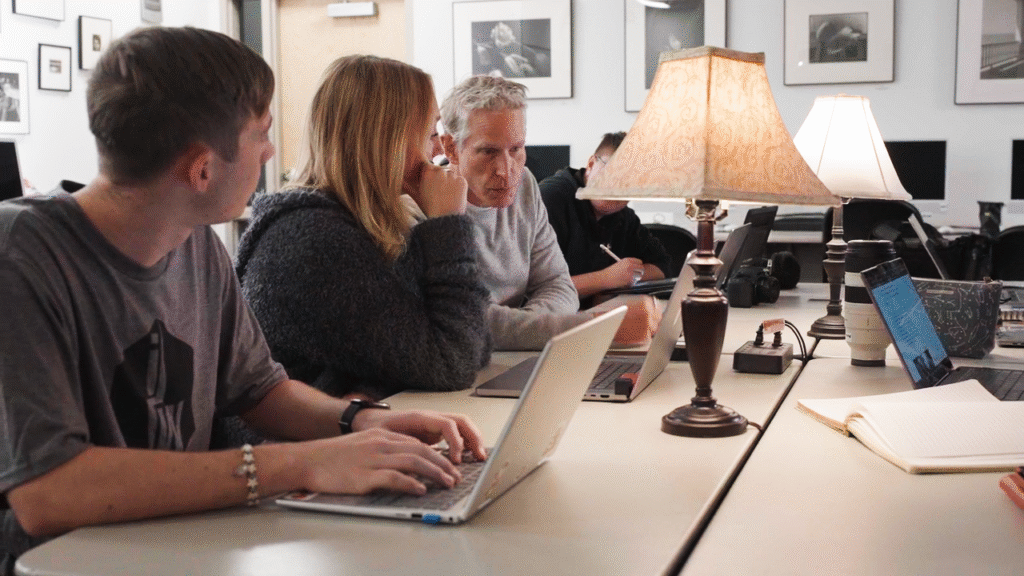
The shift from a college classroom to a creative agency on deadline happened at lightning speed—fast-moving, a little chaotic, full of new ideas, and driven by students eager to build, innovate, and test their work in the real world for a real client. This kind of experiential learning in marketing education felt less like a course and more like a student-led creative agency in college.
Students stepped into roles—project manager, strategist, designer, researcher, cinematographer. They organized themselves, divided the workload, and ran meetings like seasoned professionals with something to prove, showing exactly how a marketing class can turn into a student-led agency. The class felt like many of the great creative teams I’d worked with in my own business career.
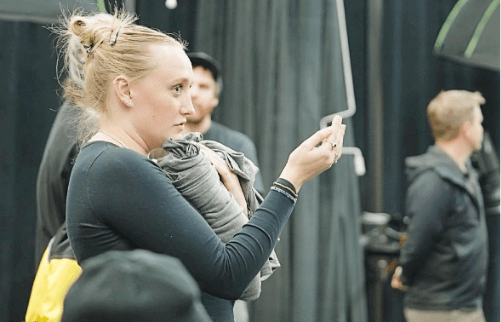
AI wasn’t the subject matter; it was the engine for script-to-shortlist workflows, social content generators, metrics simulations, donor-deck prompts, brand identity refiners. These weren’t classroom demos—they were AI tools for marketing students, used to deliver real results for a prominent local film festival, the kind of AI-powered experiential learning in marketing education more schools are exploring.
They met face-to-face with the client. In the silence that followed their presentation, they waited as every professional does, for that smile, thumbs-up, or subtle nod that says, “You nailed it.” In that moment, using AI tools to deliver real client work in college courses stopped being theoretical and became lived experience.
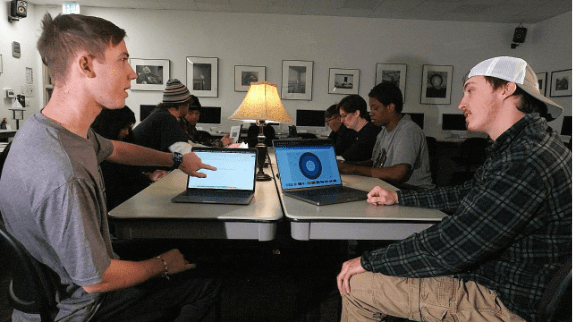
When you treat a classroom like a startup, the dynamic changes. Students don’t leave with a grade. They leave with confidence and a portfolio that holds weight in the real world, the exact outcome many advocates of experiential learning in marketing education argue for.
I walked away with a reminder of my own: Creativity isn’t fragile. It doesn’t break under the weight of new technology. When AI is part of the process, invention doesn’t just survive. It scales—and shows how AI can scale creativity in higher education classrooms when it is embedded in real projects with real stakes.
For programs looking at how to turn a marketing class into a student-led agency that responsibly uses AI, there is growing guidance on what marketing students need to know about AI’s role in their education and careers.